
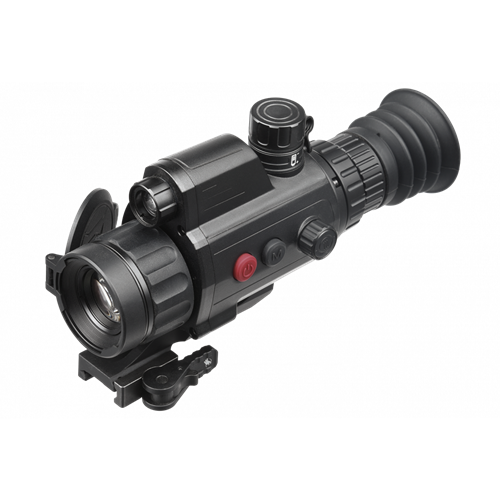
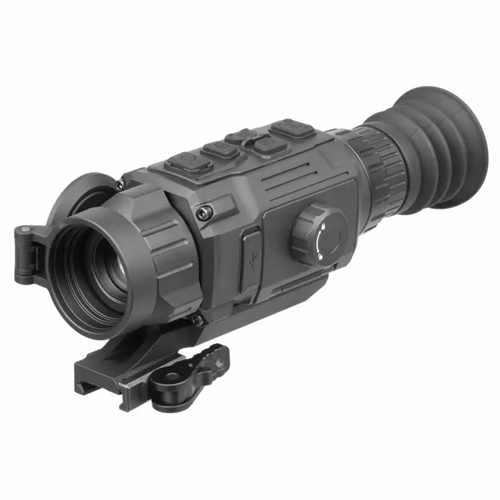
When shopping for thermal imaging scopes, one common question shooters and hunters experience is whether upgrading to a higher-resolution 640×512 sensor is worth the additional cost. The AGM Adder TS35-384 3x Thermal Scope has been garnering a reputation for combining performance, reliability, and price. But how does it stack up against 640×512 thermal scopes, and what kind of performance difference can you expect in the night vision sector?
How to Define Thermal Resolution?
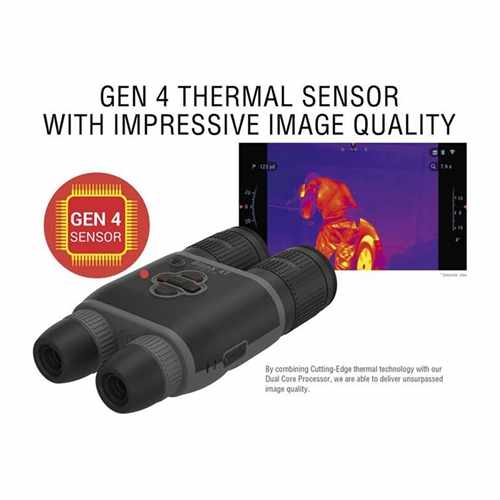
Thermal resolution can determine how many individual heat pixels (detector elements) the sensor can capture. A 384×288 detector like the one in the AGM Adder TS35-384 contains around 110,000 pixels.
A 640×512 detector has over 327,000 pixels, which is nearly three times more detail. On paper, this means a higher-resolution sensor can generate smoother images with greater definition when zooming in on small or distant heat signatures.
However, resolution is a factor. The size of the detector’s pixel pitch, refresh rate, lens quality, and image-processing algorithms can impact in real-world performance. The Adder’s 12μm sensor and fast 50 Hz refresh rate ensure that, with a 384×288 resolution, it offers sharp and responsive visuals. This works for medium- and long-range observation.
Performance in the Field
In actual hunting or tactical use, the difference between 384×288 and 640×512 sensors can be noticeable only at extreme ranges. The Adder TS35-384’s 35 mm lens offers clear target identification at several hundred meters, with an effective detection range up to 2,600 m under ideal conditions.
Most 640×512 models offer slightly crisper edge definition and improved digital zoom. But that advantage diminishes in harsh environments like fog, rain, or dust that limit clarity. With AGM’s high-sensitivity detector and 1024×768 OLED display, the Adder performs in those scenarios and maintains clean, high-contrast images when visibility is poor.
Functional Features That Matter More
Many shooters find the Adder’s features more valuable than a jump in pixel count. They include Shot-Activated Recording (SAR), a Wi-Fi module for live streaming, on-board 64 GB video storage, and a dual-power system. These features provide up to 15 hours of operation within a traditional 30 mm tube design that mounts easily on standard rifles. The usability and endurance benefits can often outweigh the marginal image improvement of a 640-sensor for hunters focusing on reliability and runtime over cinematic image quality.
Value and Versatility
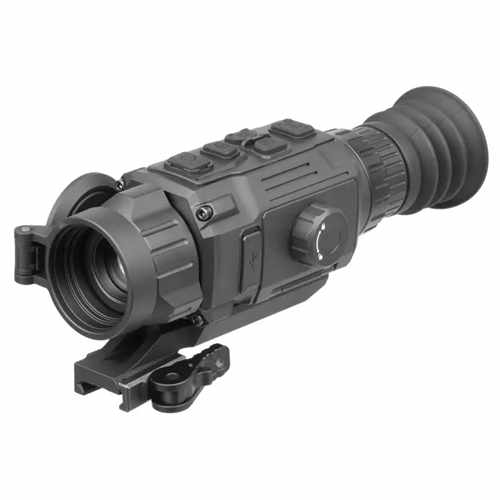
Price is another significant factor. However, 640×512 thermal scopes typically cost 30–60 percent more than comparable 384×288 models. For most mid-range shooting, patrolling, and night-hunting applications, the AGM Adder TS35-384 delivers clarity and precision. Unless you frequently operate beyond 1,000 meters or require ultra-detailed imaging for identification at extreme range, the TS35-384 provides the smarter investment.
Conclusion:
The AGM Adder TS35-384 ensures that higher resolution isn’t always synonymous with better value. The combination of advanced sensor technology, dependable performance, and user-friendly design can make it an ideal choice for professionals and serious enthusiasts.
While 640×512 thermals provide incremental image gains, the Adder’s clarity, efficiency, and affordability ensure it remains one of the most capable and cost-effective thermal scopes in its class. Please browse available thermal scopes and night vision devices at Night Vision 4 Less and find the right selection for your needs.



Write a comment ...