
It’s 2 AM. You are sitting at the edge of a field, freezing your fingers off. You hear a rustle in the brush line. Is it a coyote? A hog? Or just a raccoon? If your just using your naked eyes, you have no clue. This is where the gear makes the difference.
The biggest debate we hear at NightVision4Less is simple: Should I buy traditional night vision or one of the new Thermal Scopes? Both are awesome, but they do very different jobs.
Here is the breakdown so you don't waste your money on the wrong tool.
Night Vision: The Reality Check
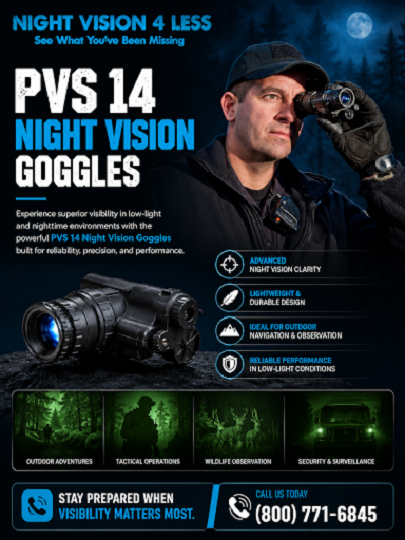
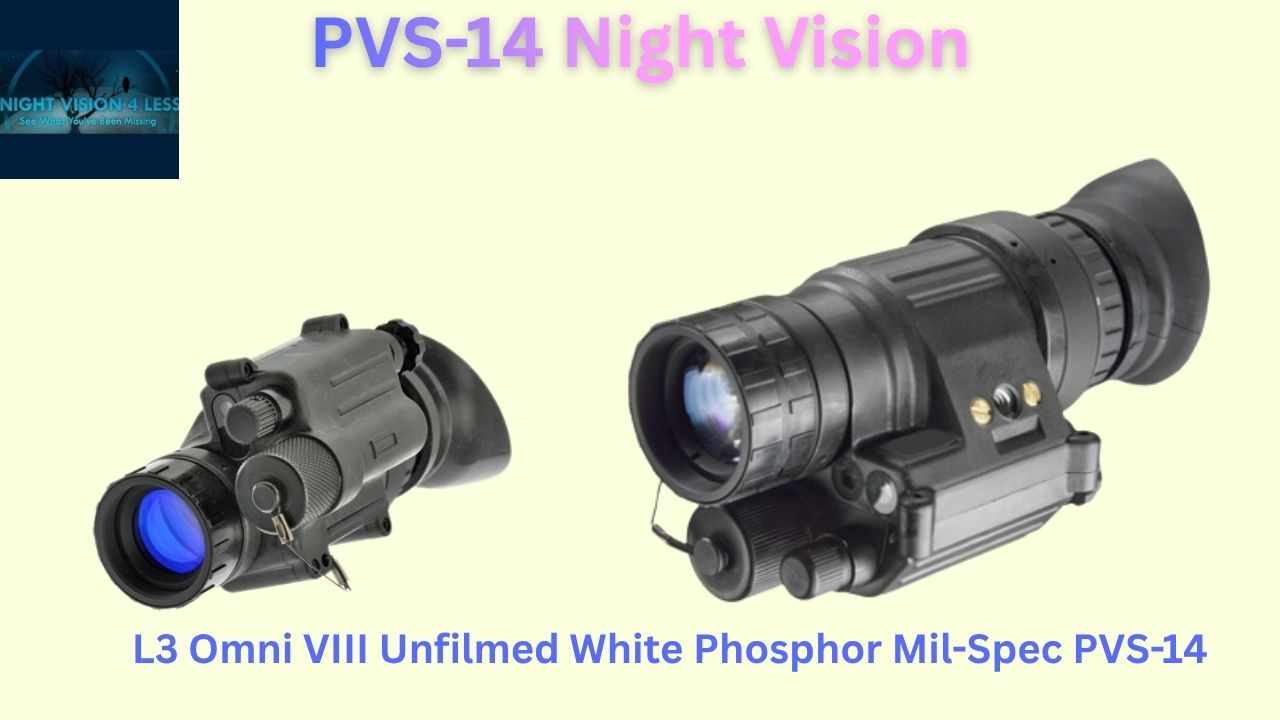
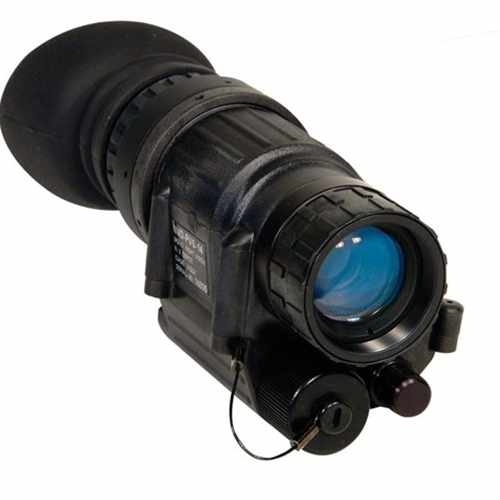
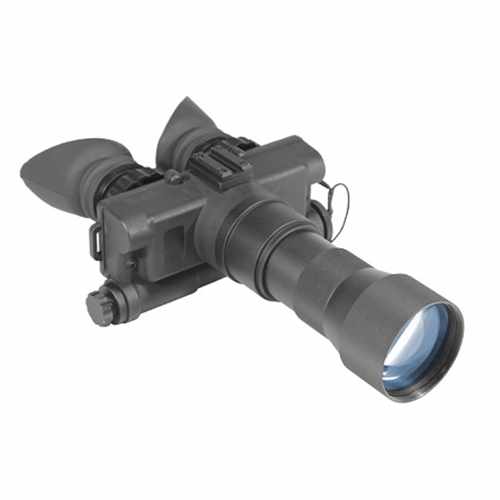
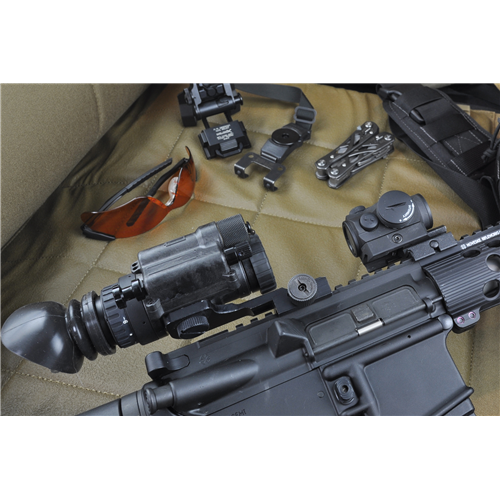
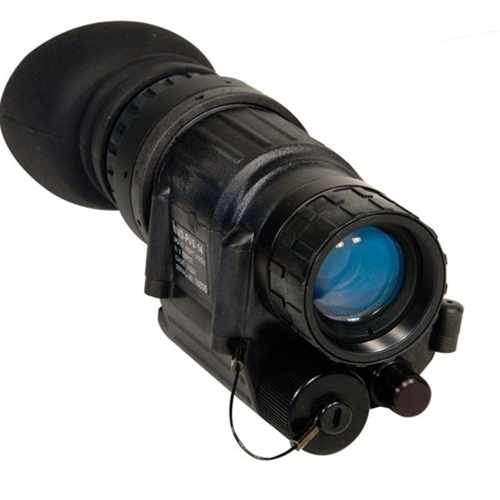
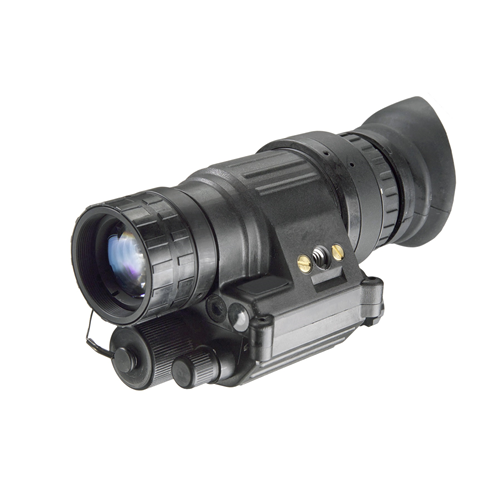
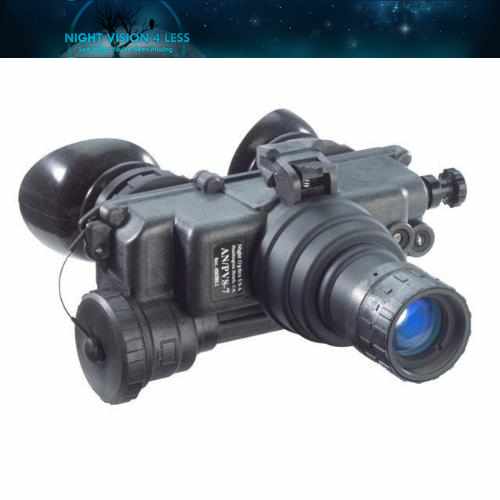
Traditional night vision (like the PVS-14) works by taking tiny amounts of light—from the moon or stars—and boosting it thousands of times.
The Good: It looks natural. You can see the grass, the trees, and the fence line clearly. It is great for navigation because you don't loose depth perception as bad.
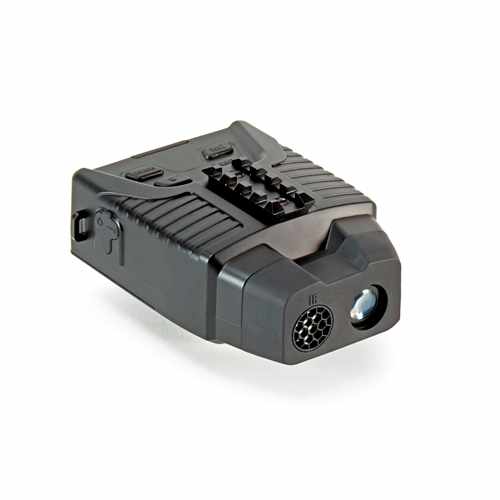
The Bad: If an animal is standing still in tall grass, you might miss it. Camouflage still works against night vision. You also need some light source; if it is pitch black, you need an IR illuminator (basically an invisible flashlight).
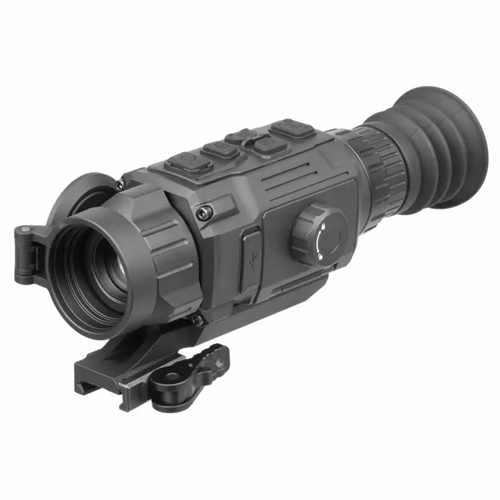
Thermal Scopes: The Cheat Code
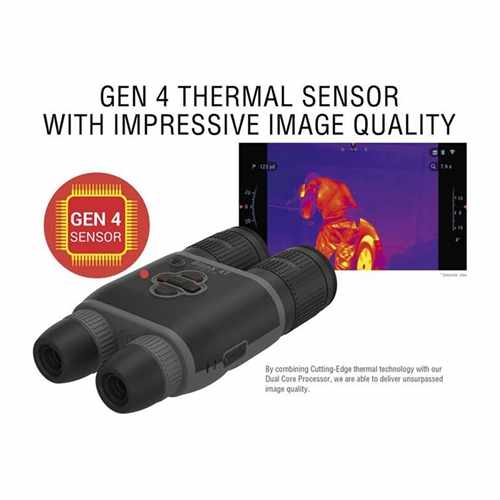
Thermal doesn't care about light. It detects heat. Period.
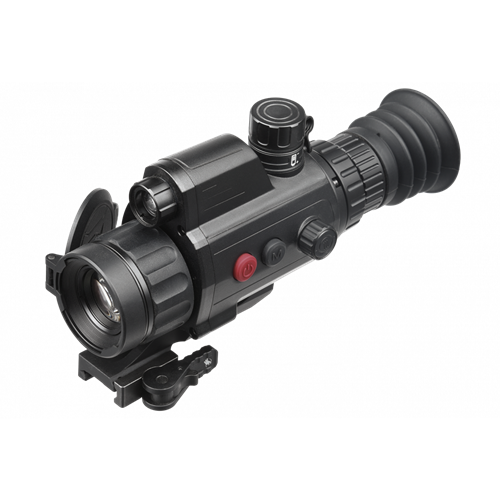
The Good: Nothing hides. A warm coyote glows bright white (or red) against the cool background. You can spot a heat signature from 1000 yards away in seconds. It cuts through fog and smoke better than night vision ever could.
The Bad: It can be hard to tell what you are looking at. At long range, a deer and a hog might look like the same glowing blob unless you have a high-resolution unit.
Why Thermal is Winning for Hunters
For predator hunting, detection is everything. You need to know something is there before it smells you. Thermal Scopes are superior for this. You can scan a whole field in ten seconds and see every living thing in it.
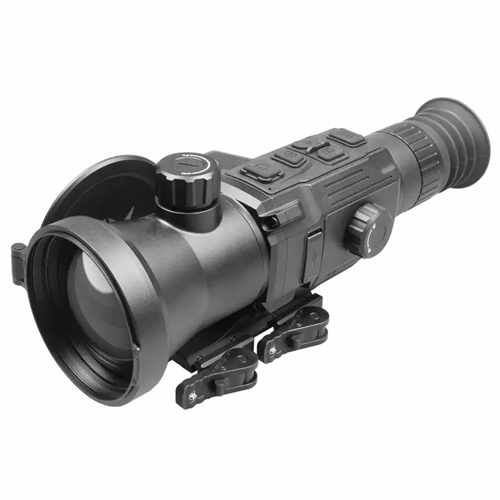
Prices have come down a lot too. A few years ago, good thermal was crazy expensive. Now, brands like Bering Optics and AGM are making units that are affordable and have amazing image quality. We even stock the new Pulsar Thermion 2 models that record video right to the scope.
Which One Should You Pick?
If you need to drive a boat or hike into your stand, get a PVS-14 (Night Vision). But if your main goal is stacking hogs and dropping coyotes? Go thermal.
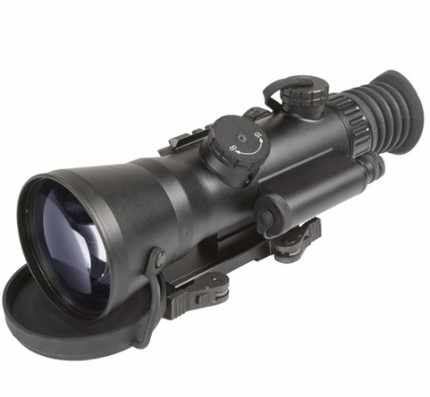
The ability to spot a heat signature through brush gives you a massive advantage. We usually tell guys to run a "hybrid" setup if they can—use a thermal scanner to find them, and a scope to shoot them.
Still confused? Give us a shout at NightVision4Less. We can explain the difference between 384 and 640 resolution so you get the right optic for your rifle.



Write a comment ...